

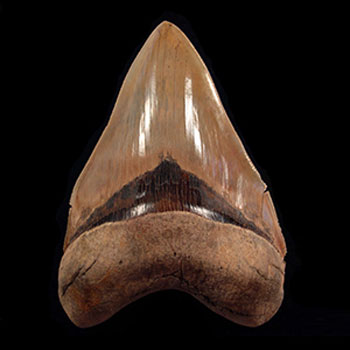
Many buyers start their search with curiosity and excitement, often wondering what determines the value of a Megalodon tooth. What seems like a simple price check quickly turns into something more profound. Every fossil carries a unique journey through time, shaped by pressure, mineral exposure, and the environment in which it was buried. Some teeth emerge with complete roots, clean serrations, and natural color. Others show signs of erosion or repair over the years. No single price tag can explain all these differences.
The worth of each tooth depends on its individual traits, such as size, condition, color, and where it was found. Collectors who take the time to understand these elements make wiser choices. They focus less on chasing deals and more on finding a fossil with genuine value. When you explore how much a Megalodon tooth is worth and what truly defines its worth, you move from quick comparisons to thoughtful collecting. That is how meaningful collections take shape.
How Much a Megalodon Tooth Reveals Beyond Its Size?
Size often becomes the first thing buyers notice. Larger Megalodon teeth usually catch more interest, especially when they reach over five inches. Fossils above six inches frequently carry higher prices due to their scarcity. But collectors know that size alone cannot set the value. A long tooth with damage or unnatural repair work will not offer the same credibility or investment value as a smaller, flawless tooth.
Instead of measuring length alone, consider how the fossil looks as a whole. Ask if it has clean edges, visible serrations, and a solid root. Those elements reflect better preservation. That matters more than an extra half inch of length. Value comes from what naturally survives the ages. In the end, the best Megalodon teeth balance size, structure, and condition.
Strong Condition Always Speaks Louder Than Appearance
Collectors who understand the value of fossils never ignore conditions. A Megalodon tooth that shows its age naturally holds greater respect than one that has been heavily restored. Buyers often look for original enamel, intact roots, and well-preserved serrations. These features indicate that the tooth went through minimal human handling or reconstruction.
Consider the following when examining the condition:
● Has the tooth kept its original enamel and gloss without artificial coating.
● Does the root remain complete without cracks or obvious filler.
● Can you still see natural serration patterns along the edges?
Fossils that check these boxes usually carry higher value and credibility. On the other hand, heavily restored teeth may look perfect from afar but often lose appeal to serious collectors. That’s why transparency matters. Sellers who disclose every detail allow buyers to trust what they see.
Tooth Origin Tells You What the Surface Cannot
Where a Megalodon tooth came from often affects how it formed, how it aged, and how much collectors value it. Some fossil beds yield better preservation because the soil is more stable. Others produce unique colors or surface textures due to minerals. These traits vary by region and help explain why some fossils stand out more than others.
Collectors often favor teeth found in locations that offer:
● Clear provenance with consistent preservation.
● Unique soil minerals that influence rare colors like golden brown or deep gray.
● Riverbeds that protect enamel from heavy erosion.
When buyers understand the importance of origin, they gain another layer of decision-making. A tooth pulled from a known fossil site with minimal handling often earns more respect than one with an unknown background. Origin adds historical context. And for collectors, that matters as much as size or condition.
Small Features That Quietly Influence the Price
While size and condition catch the eye first, many smaller features often decide the final value. Symmetry plays a significant role. A tooth with a centered point and even curvature usually commands a higher price. Color also adds value. Unique mineral patterns can cause shades of black, blue, gold, or multi-tones that rarely repeat. Buyers often ask how much a Megalodon tooth is worth when these rare details appear, and the answer depends on how these traits come together.
Buyers also look for natural traits like:
● Well-formed bourrelets that show where enamel and root meet.
● Feeding marks that confirm predator behavior.
● Rare shape profiles not commonly found in fossil markets.
These details attract experienced collectors who know how to evaluate a tooth beyond surface appeal. Value builds as each trait layers onto the fossil’s story. The best teeth rarely depend on just one factor. They combine history, structure, rarity, and preservation in a way that feels complete.
Look Beyond the Price Tag and Focus on Real Value
New buyers sometimes fixate on cost. That habit can lead to mistakes. A lower price does not always mean a better deal. Sometimes, sellers price fossils lower because they lack quality, show signs of repair, or come from unknown sources. On the other hand, higher-priced teeth often come with complete documentation, expert verification, and visible features that justify their value.
Ask yourself the following when you see a listed price:
● Does the seller explain the fossil’s history, location, and condition?
● Are there clear photos that show details like serrations and root structure?
● Has the tooth gone through repair, and if so, how much.
These questions guide you past the surface. They help you avoid buying based on assumptions. Buyers who ask these things usually walk away with better fossils that hold value over time. That is what collecting is really about understanding, not guessing.
A Tooth’s Real Worth Lies in Its Total Story
A Megalodon tooth becomes valuable not because of one feature, but because of everything it carries together. The combination of its shape, age, origin, condition, and unique traits builds its story. When collectors choose fossils, they want to know where that story began and how well it survived. That’s what turns an object into a legacy.
Learning to evaluate Megalodon teeth takes time and attention. As you gain experience, you will start to notice the difference between a piece made to look impressive and one that genuinely holds its place in time. You will begin to see value in subtle angles, natural color changes, and untouched structure. That shift in mindset separates casual buyers from thoughtful collectors. It also makes the process more rewarding. The more you understand the whole picture, the more clearly you will see why prices vary and what makes a fossil worth owning.
Final Words
So, how much is a Megalodon tooth? That question has no fixed answer, and that is what makes it worth asking. Price depends on preservation, origin, structure, and character—not just length or shine. Every tooth carries weight beyond numbers. It holds a moment in natural history that survived conditions few things ever could. When you shop with that understanding, you buy more than a fossil.
You invest in something that connects you to the world before it became what we know today. Make every decision count. Know what to look for. Ask questions. And most importantly, choose a value that lasts not just an appeal that fades.
Footnote
Each Megalodon tooth carries distinct details shaped by time, pressure, and place, making every fossil a rare and personal discovery.






